What Is a Specialist Orthodontist? And When Should You See One?
Dr Ahmed Omran
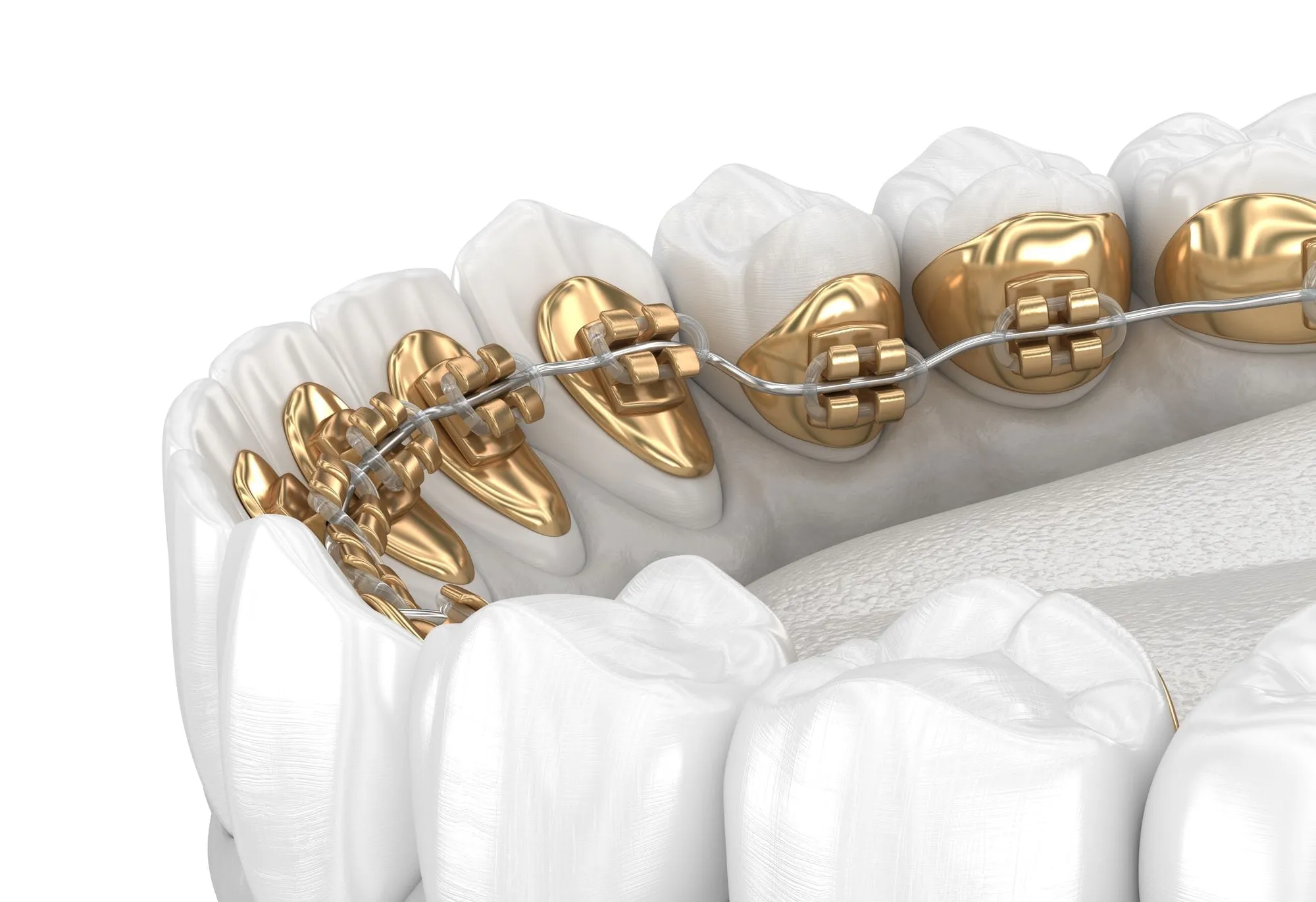
A specialist orthodontist is a dentist who has completed years of additional full-time training in straightening teeth, assessing growth and development, and correcting bites, and who is registered as a specialist in orthodontics with the General Dental Council (GDC).
That distinction is not obvious from the outside. Clear aligners are now offered in many dental practices, and the person providing them may be a general dentist or a specialist. Both can be the right choice. This post explains the difference, and when seeing a specialist is worth it.
What is a specialist orthodontist?
Every orthodontist is a dentist first. In the UK, the route to becoming a specialist usually looks like this:
- 1A dental degree5 yearsFive years at dental school, the same as any dentist.
- 2Broad clinical experienceSeveral yearsTypically in general practice and hospital posts.
- 3Specialist training3 years full timeCompetitive-entry training in a dental hospital, treating a wide range of complex cases under supervision.
- 4Specialist examinationsMaster's + MOrthUsually a master's degree, followed by the Membership in Orthodontics from one of the Royal Colleges.
- 5GDC specialist listRegistrationOnly after this can a dentist use the title "specialist orthodontist".
In practice, a specialist’s working week is orthodontics and little to nothing else. Over a career that adds up to thousands of treated cases, including the unusual and difficult ones where teeth are missing or in the wrong place, or where surgical jaw correction may be required.
Specialists also have advanced training in assessing young children’s jaws and dental development. They are adept at recognising when interceptive treatment would help to guide growth and eruption and prevent problems later down the line.
How is that different from a dentist who offers braces?
Any registered dentist can provide orthodontic treatment, as long as they work within their training and competence. Many general dentists take specific courses to provide orthodontic treatment, with many primarily using clear aligners. Treatment is often provided mainly for cosmetic alignment, ahead of further treatment such as whitening or composite bonding, although there is wide variation in individual skills, training and experience.
The difference is consistency, depth and range. All specialists in the UK go through the same quality-assured process. An orthodontic specialist is specifically trained to:
- Diagnose the whole picture. Not only crooked teeth, but how the jaws relate, how the bite works, and how the face and profile will be affected by different treatment options.
- Treat young children, teenagers and adults. Understanding growth, development and dental anomalies, spotting problems early and intervening when the time is right.
- Use multiple types of appliance. Fixed braces, clear aligners, lingual braces, functional appliances, expanders and retainers, chosen to suit the problem and your preferences rather than offering you a particular product or appliance.
- Understand biomechanics in detail. Analysing the tooth movements required, and how best to achieve them predictably.
- Understand anchorage. Determining which tooth movements are wanted and which are unwanted, and planning accordingly.
- Manage complications. Teeth that do not move as planned, impacted teeth, or a bite that needs correcting part-way through treatment.
- Plan for stability. Getting teeth straight is one job. Keeping them straight afterwards is another.
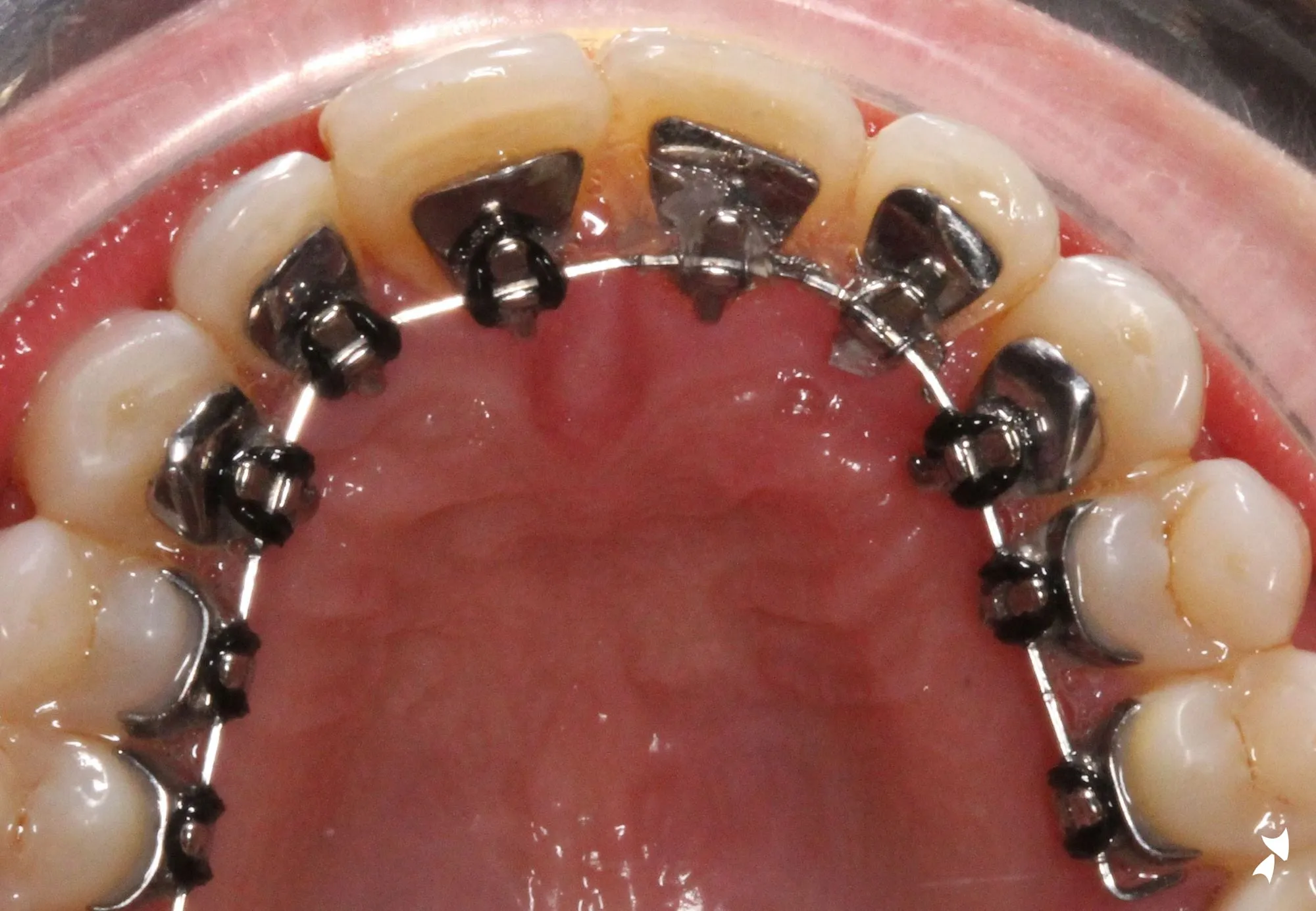
Straightening your teeth can affect the bite and surrounding tissues
Even if your treatment is aimed only at straightening your teeth, that does not mean your bite will stay exactly the same.
Whether intentionally or inadvertently, alignment can change your bite and how your teeth meet, depending on how it is managed.
It can also cause problems with the surrounding bone and gum tissues, depending on how and when the teeth are moved.
When should you see a specialist?
You do not need a referral to see a specialist orthodontist privately, and you can book directly at any age. It is particularly worth doing in these situations:
- Your bite is part of the problem. An overbite, underbite, crossbite or open bite involves how the jaws meet, not only how the front teeth line up.
- Your teeth are very crowded or widely spaced. These cases may need careful space planning, and sometimes a decision about extractions.
- A tooth is missing or has not come through. Impacted canines and missing adult teeth need coordinated planning, often with other dental specialists.
- Your child is growing. Some problems are far easier to correct during growth. An assessment at around age 7 to 9 can identify these early, even if treatment starts later.
- You have been told your case is “not suitable” for aligners. A specialist can give you a second opinion and explain the alternatives.
- You have crowns, implants, gum disease or jaw joint symptoms. Orthodontics is still possible, but it needs planning around them.
- You want a second opinion. If you have been offered a treatment plan and are unsure, an independent specialist assessment costs little compared with undergoing a lengthy treatment that may not be right for you.
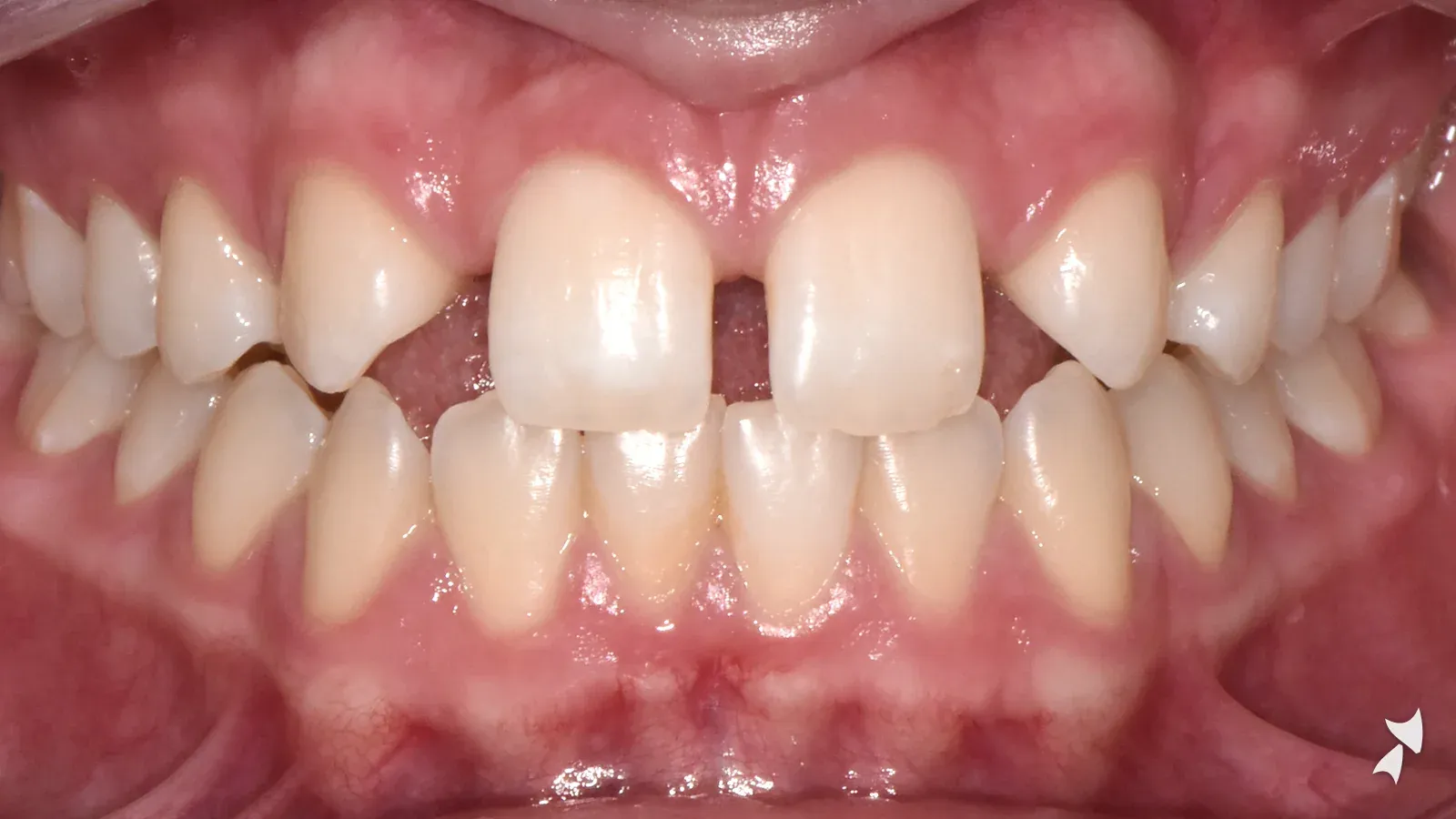 Before
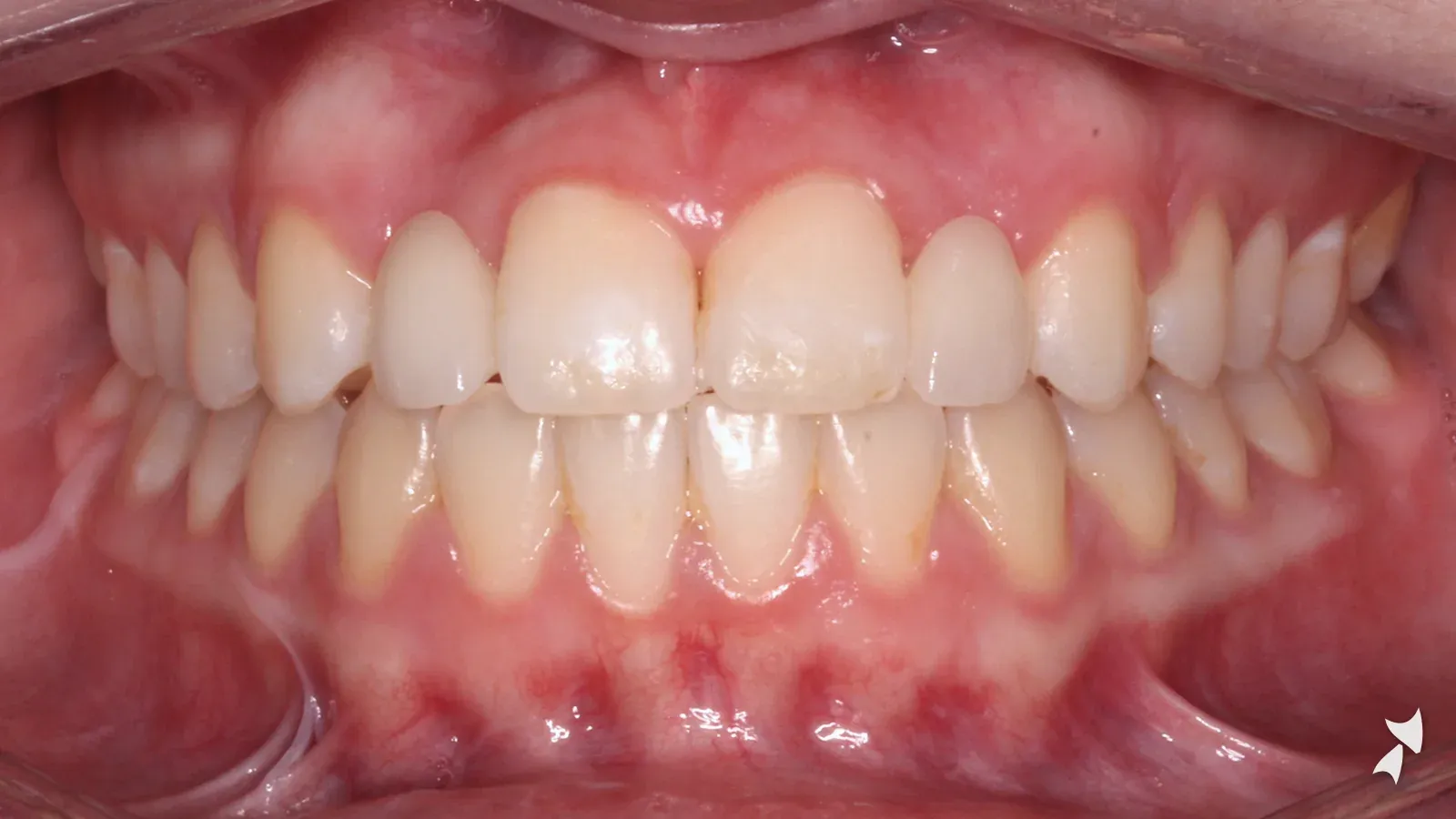 After
AfterIf your teeth are only mildly uneven and your bite is sound, or you have had some relapse following a full course of orthodontic treatment, a general dentist with orthodontic experience may be a perfectly reasonable choice. The honest answer is that it depends on the case, and a proper assessment is how you find out which kind of case yours is.
How to check if someone is a specialist
It takes about a minute, and it is free.
- Go to the General Dental Council’s online register.
- Search for the clinician by name or GDC number. Every dental professional must display or provide this number.
- Open their record and look for “Specialist list: Orthodontics”.
If that line is not there, the clinician is not recognised as a specialist orthodontist in the UK. Phrases such as “special interest in orthodontics”, “cosmetic braces provider” or a tiered status from an aligner company are not the same thing as specialist registration. Remember too that the number of cases a clinician has treated is no indication of quality.
What to expect at a specialist consultation
A first consultation is an assessment, not a commitment to treatment. You can expect:
- A discussion of what bothers you and what you would like to change.
- An examination of your teeth, bite, jaws and facial profile.
- Photographs, X-rays and a digital scan where needed.
- A clear explanation of your options, and the different appliances available.
- Realistic timescales, costs and a plan for retention afterwards.
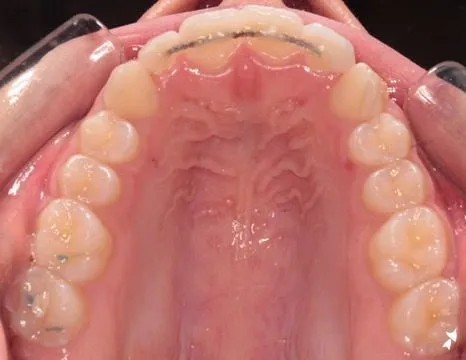
You should leave understanding your own teeth better than when you arrived, whether or not you go ahead.
Book a consultation
I am a GDC-registered specialist orthodontist with over a decade of experience treating children, teenagers and adults. If you would like a specialist opinion on your teeth or your child’s, please get in touch at bookings@dromranorthodontist.co.uk.
This article is general information about orthodontic treatment. It is not dental or medical advice and is not a substitute for an examination by a qualified dental professional.