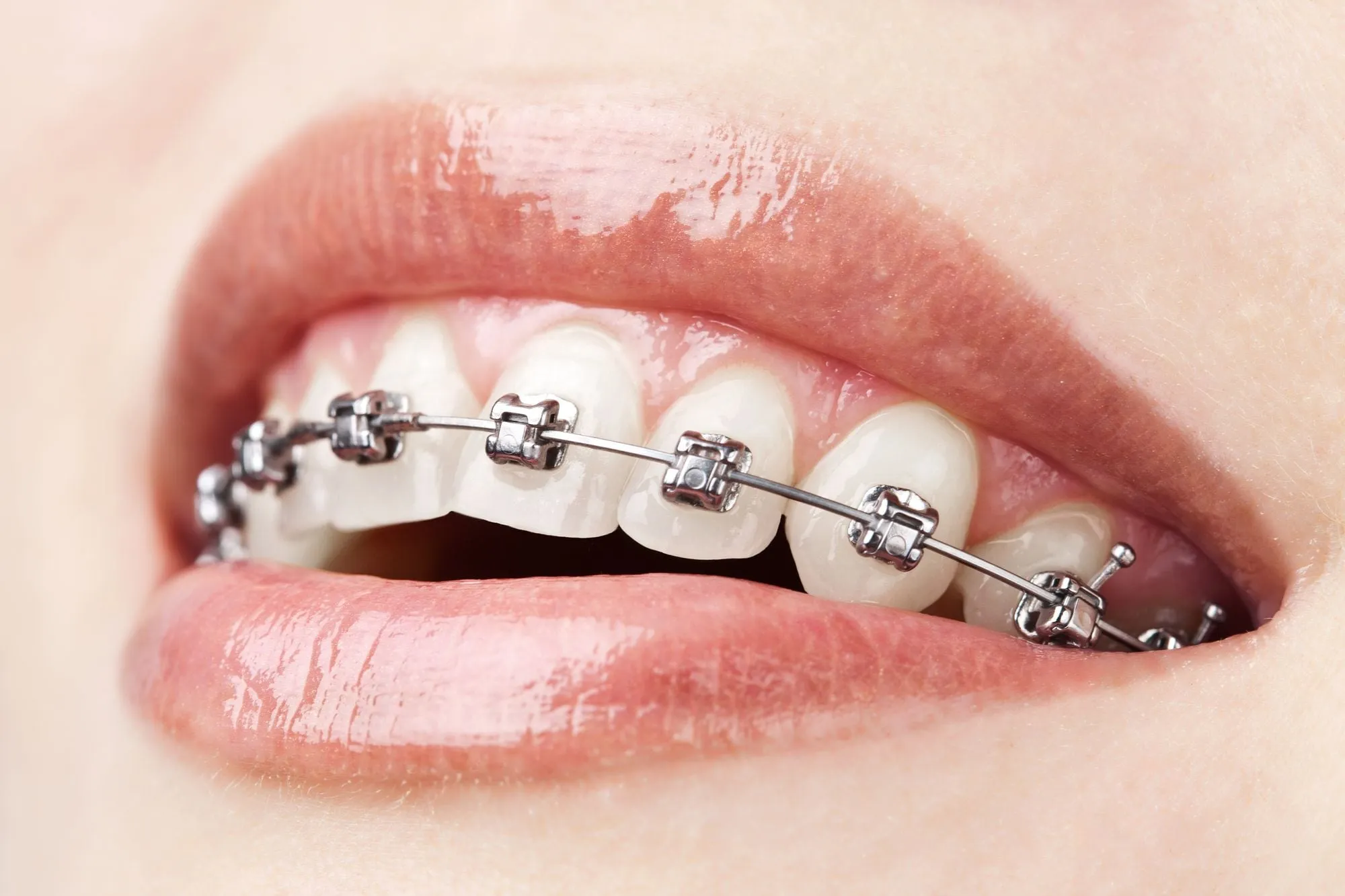
Clear Aligners vs Fixed Braces: Which Is Right for You?
Dr Ahmed Omran
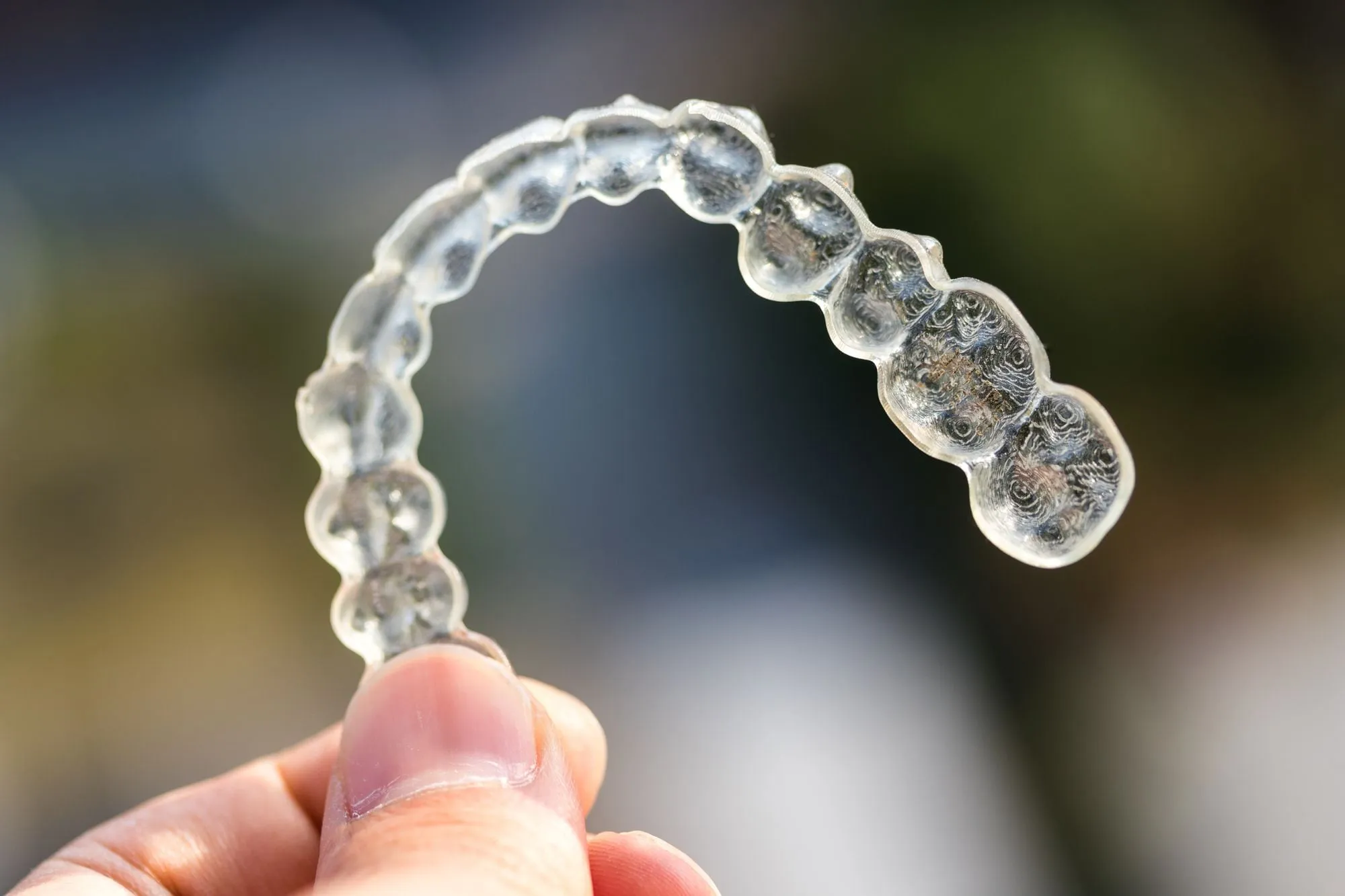
Clear aligners and fixed braces both straighten teeth well. Which one is right for you comes down to two questions: will you wear aligners for enough hours each day, and what kind of tooth movement does your case need?
Neither appliance is “better” in general. Each has cases where it is the more reliable tool. This post sets out how I help patients decide between them.
Clear aligners
- Removable, near-invisible plastic trays
- Must be worn 20 to 22 hours a day
- Push on the crowns of the teeth
- No dietary restrictions: take them out to eat
Fixed braces
- Fixed to your teeth for the whole of treatment
- Nothing to remember to wear
- Grip each tooth directly, for more control over the roots
- Can be adjusted on the spot at any visit
First question: will you wear them?
Clear aligners only work while they are in your mouth. They need to be worn for 20 to 22 hours a day, every day, and taken out only to eat, drink anything other than water, and brush your teeth.
That is the first thing to be honest with yourself about. If you cannot reliably commit to 20 to 22 hours a day, clear aligners are not suitable for you. Teeth will fall behind the planned movements, aligners will stop fitting, and treatment is likely to take much longer, may stall, and may not meet your expectations.
Fixed braces remove that question. They are fixed to your teeth for the whole of your treatment, so you do not need to think about wearing them.
Second question: what does your case need?
Some tooth movements are more predictable with fixed braces. Aligners push on the crowns of the teeth, while a fixed brace grips each tooth directly, which allows for more control over the roots. That matters most in these situations.
Cases generally better suited to fixed braces
- Extraction cases. Closing the space left by a removed tooth means moving whole teeth, roots included, over a long distance. If the teeth have far to travel, that is easier to achieve with a fixed brace.
- Impacted teeth. A tooth that is stuck in the gum or bone usually needs to be guided and “lifted” into place with a brace.
- Tilted or heavily tilted molars. Uprighting a large back tooth takes strong root control, and fixed braces can provide the force system required.
- Bringing molars forward. Moving back teeth forward to close a gap, without lots of tilting, is slow, demanding movement.
- A very deep bite without crowding. Opening a deep bite is considered harder to achieve with aligners alone.
- Heavily rotated premolars. These teeth are rounded, so aligners struggle to grip and turn them.
“Generally” is the important word. Aligners can treat some of these cases, but fixed braces tend to be the more dependable route. Sometimes auxiliaries can be used in combination with aligners to help achieve these movements.
Cases well suited to clear aligners
- Mild relapse. Teeth that have drifted a little after previous orthodontic treatment, where the bite remains fairly sound.
- Mild to moderate crowding.
- Cases needing some widening or expansion of the arches.
- Most alignment cases, where the aim is to straighten the teeth and the bite is broadly sound.
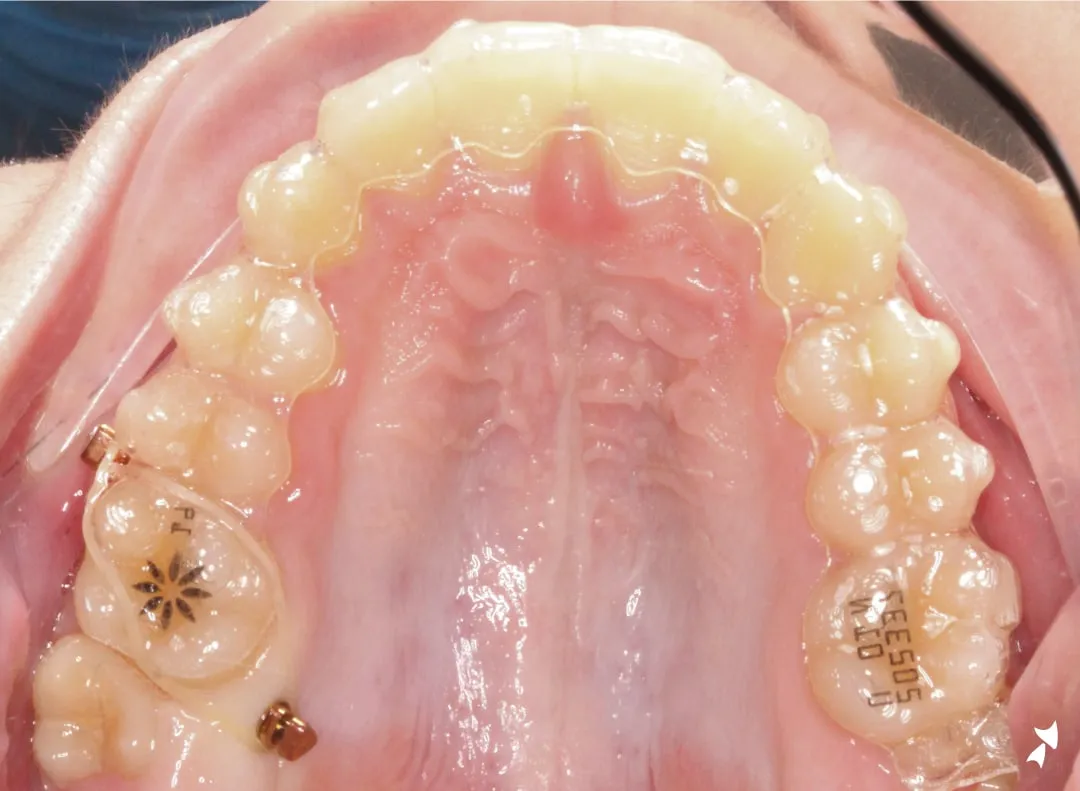 Clear aligners
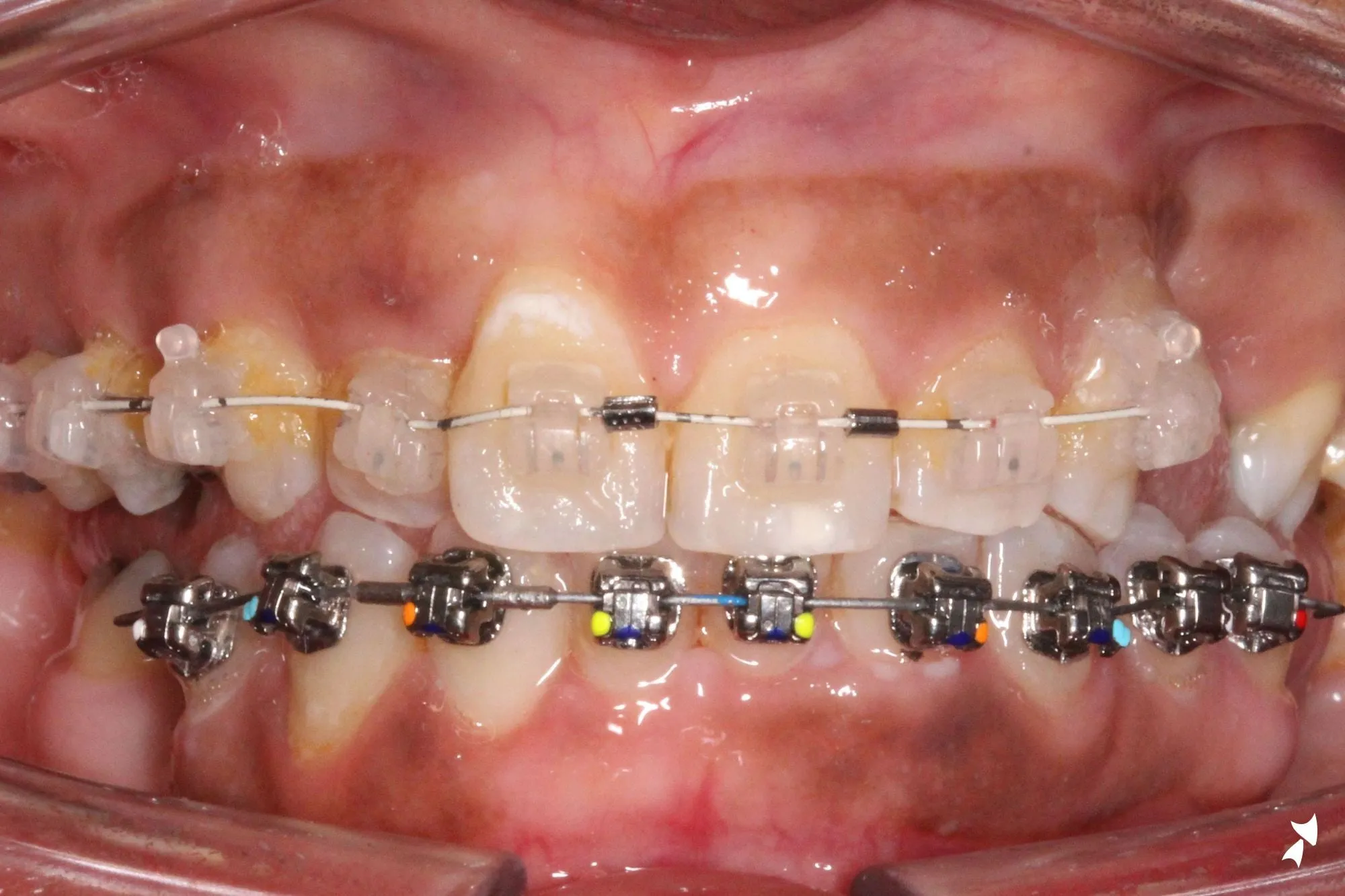 Fixed braces
Advantages of clear aligners
- Aesthetics. They are far less noticeable than a fixed brace.
- Comfort. Smooth plastic, with no brackets or wires to rub.
- Digital planning. Your treatment is planned on a 3D scan, and you can see a simulation of the expected result before you start.
- No dietary restrictions. You take them out to eat, so nothing is off the menu.
- Fewer emergencies. There is little to break or come loose.
- Less frequent adjustments. Appointments are typically further apart, as you can work through the aligner sequence yourself at home.
- Speed in the right cases. For mild to moderate cases, aligners can be considerably quicker than fixed braces.
Disadvantages of clear aligners
- Cost. Aligners are usually the more expensive option, due to the laboratory bills involved.
- Harder to adjust on the spot. With a fixed brace, I can change the wire, adjust a bracket or add a bend at any visit. Changing course with aligners means a new scan and a new set of aligners.
- Dependent on you. The result relies on wearing them 20 to 22 hours a day.
- Not completely invisible. They are discreet, but people may notice them up close, particularly the small tooth-coloured attachments bonded to some teeth.
- Harder to grip some teeth. They can struggle to grip certain teeth, such as small upper lateral incisors.
- Biomechanical limitations. Aligners have biomechanical limitations, and some tooth movements are less predictable with them.
- Can take longer in complex cases. In more complex cases, treatment with aligners can take longer than with fixed braces.
So which is right for you?
A simple way to think about it:
- Can you wear aligners 20 to 22 hours a day? If not, fixed braces are the better choice.
- Does your case fall into one of the groups that suits fixed braces? If so, a fixed brace is likely to give the more predictable result.
- If neither applies, clear aligners are likely to work well, and the choice comes down to your preferences on appearance, comfort and cost.
You cannot reliably judge the second question yourself. It takes an examination, and often X-rays and a scan, to know what movements your teeth need.
Book a consultation
I am a GDC-registered specialist orthodontist and provide both clear aligners and fixed braces. If you would like to know which is right for you, please get in touch at bookings@dromranorthodontist.co.uk.
This article is general information about orthodontic treatment. It is not dental or medical advice and is not a substitute for an examination by a qualified dental professional.