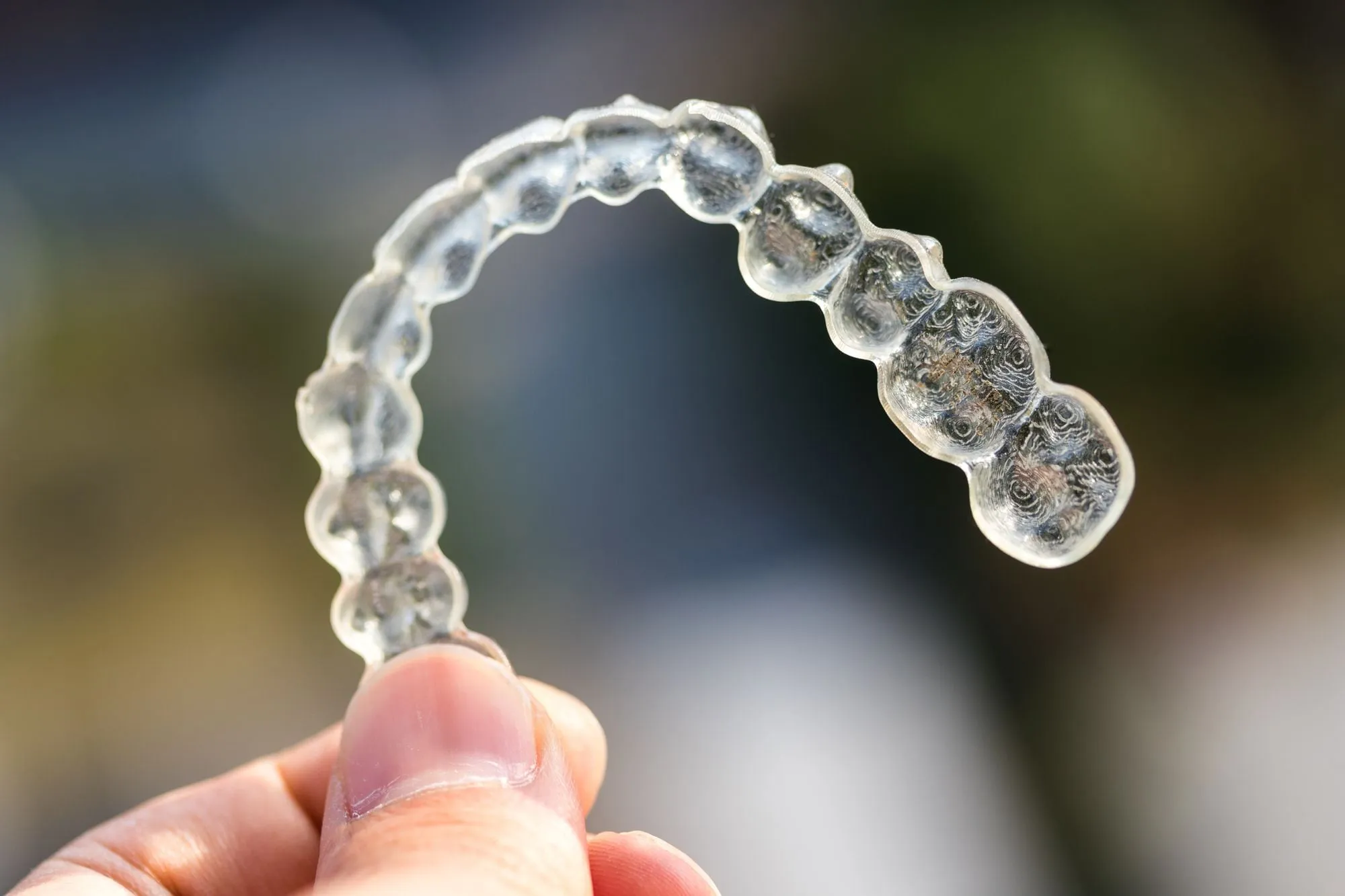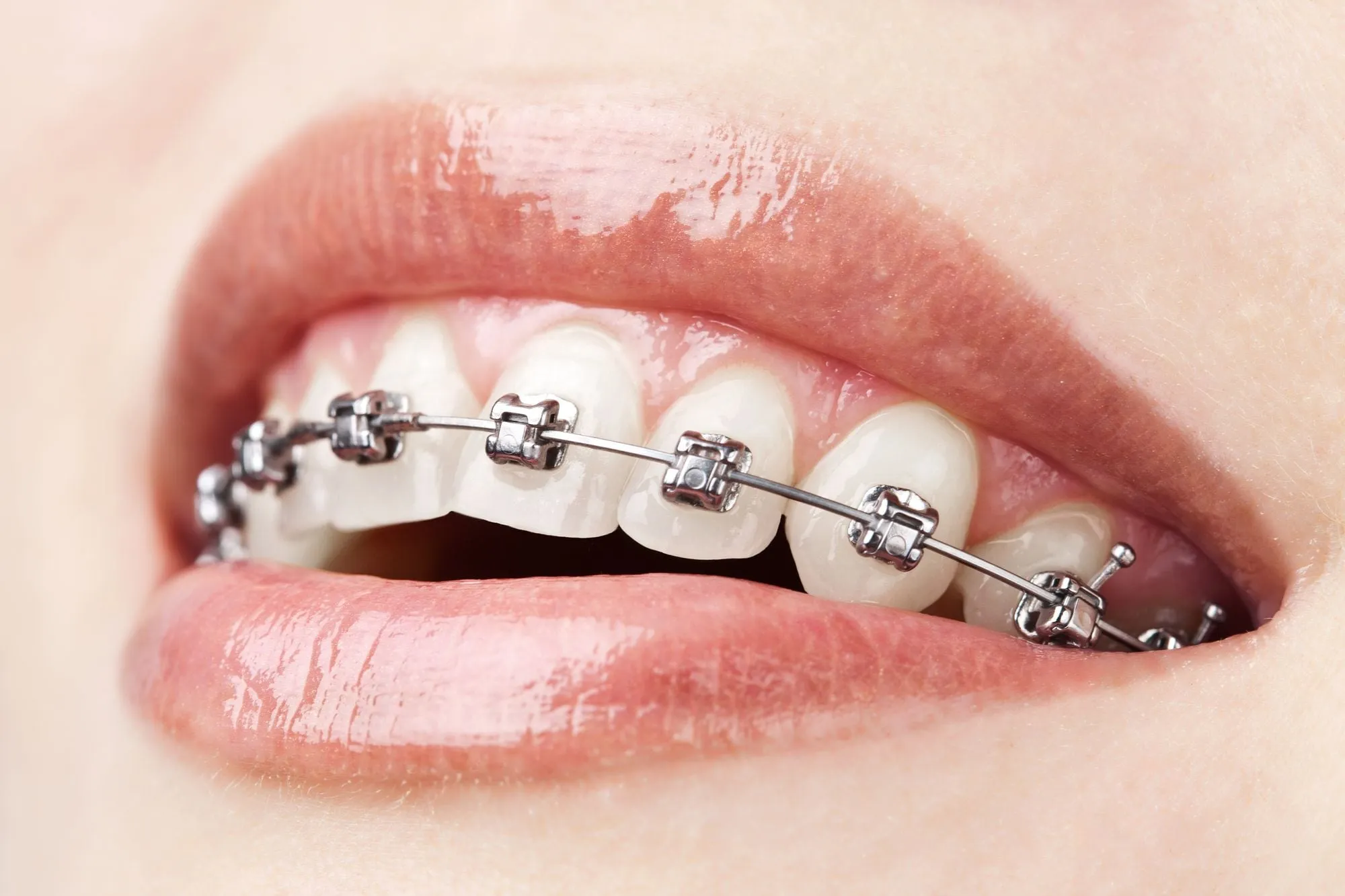
Orthodontic treatment takes anywhere from 3 months to 3 years, depending on how far your teeth need to move and whether your bite needs correcting as well.
“How long will it take?” is one of the first questions almost every patient asks. The honest answer depends on your starting point, but most cases fall into one of a few groups.
Typical treatment times
Mild relapse after previous orthodontic treatment
3 to 6 monthsModerate relapse, or mild to moderate alignment where the bite is fairly sound
6 to 12 monthsMost moderate cases where there is both alignment and bite correction
12 to 18 monthsA first comprehensive course of treatment as a teenager
18 to 24 monthsComplex or highly specialist cases
24 to 36 months
Complex or highly specialist cases can include:
- Jaw growth that needs modifying, or jaw surgery.
- Impacted teeth.
- Missing teeth.
- Multidisciplinary cases, for example those involving bridges or implants.
- Treatment carried out in more than one phase.
Why does it take so long?
Teeth move because bone is slowly rebuilt around them, and that biology sets the pace.
Each tooth sits in a socket of bone, held by a ligament. When a brace or aligner applies force:
- Bone on the side the tooth is moving towards is gradually broken down.
- New bone is laid down behind it to fill the space.
- The tooth moves a small amount, and the cycle repeats.
This remodelling cannot be reliably sped up. As a rough guide, a tooth moves in the region of 0.5 to 1 mm a month under ideal conditions. Applying more force does not speed it up. Heavy forces can stall movement, cause more discomfort, and risk shortening the roots of the teeth.
So the length of treatment is mostly a matter of distance and difficulty. A tooth that needs tipping a millimetre or two is quick. Moving a whole tooth, root included, across an extraction space takes many months.
Treatment happens in stages
Straight front teeth often appear within the first six months, which is why patients sometimes wonder what the rest of the time is for. A comprehensive course of treatment usually works through these stages in order:
- 1AlignmentUnravelling crowding and rotations so the teeth line up.
- 2LevellingFlattening the bite so the upper and lower teeth overlap by the right amount.
- 3Bite correctionGetting the upper and lower teeth to meet properly, front to back and side to side.
- 4Space closureClosing any gaps, including extraction spaces.
- 5FinishingFine adjustments to the tooth positions and bite.
A short relapse case may only need the first stage. A full teenage course of treatment tends to go through all five, which is why it takes 18 to 24 months. An assessment is needed to plan the stages around your starting point and treatment goals.
What can make treatment longer or shorter?
Beyond the complexity of the case, four things have a significant effect on how long treatment takes: how well you follow instructions, whether you attend your appointments, how you look after your brace or aligners, and how your body responds.
Things you cannot change
- How complex your case is. Extractions, impacted teeth and significant bite problems all add time.
- Your biology. Teeth move at different rates in different people, so the same treatment can be noticeably quicker in one patient than in another.
Things you can do to help
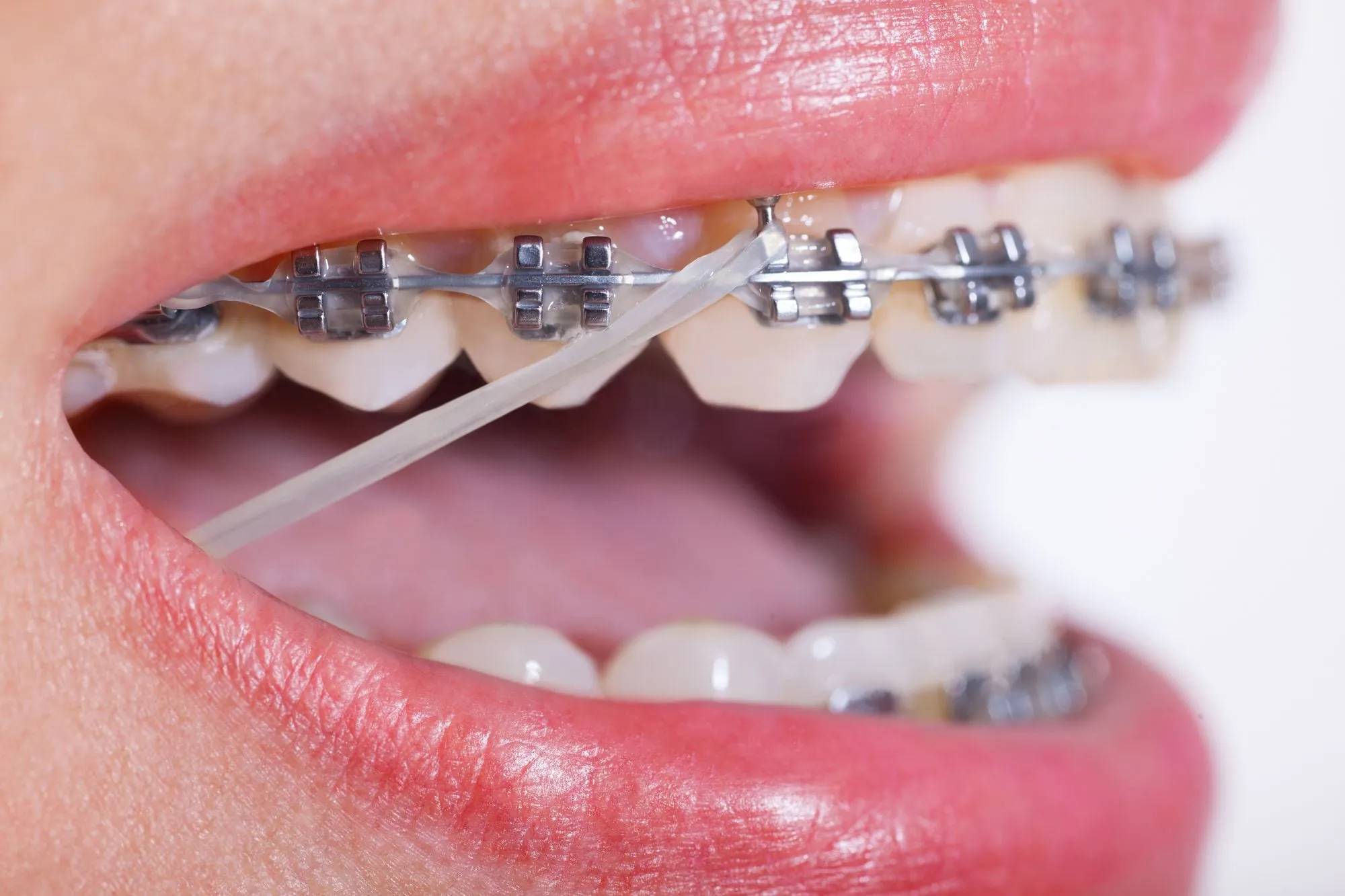
- Wearing aligners and elastics as instructed. Aligners and elastics need 20 to 22 hours a day. Part-time wear is the most common reason treatment overruns.
- Looking after your brace or aligners. Each broken bracket or wire, or lost or damaged aligner, can pause progress, or more often lose it, until it is put right.
- Keeping appointments. Missed or delayed visits push everything back.
- Keeping your teeth and gums clean and healthy. Enamel or gum problems can mean treatment needs to be paused or stopped.
How long will your treatment take?
An accurate estimate needs an examination. Two people with similar-looking front teeth can need very different amounts of treatment, depending on their bite and the positions of the roots, as well as their expectations of treatment.
At a consultation, I will tell you which group your case falls into, what the treatment involves, and a realistic timescale before you commit to anything.
Book a consultation
I am a GDC-registered specialist orthodontist with over a decade of experience. If you would like to know how long treatment would take for you or your child, please get in touch at bookings@dromranorthodontist.co.uk.
This article is general information about orthodontic treatment. It is not dental or medical advice and is not a substitute for an examination by a qualified dental professional.